Mangalore Port Legend: India's Iconic Maritime Adventure Game
India’s coastal heritage is a tapestry of trade, adventure, and cultural exchange – and Mangalore Port Legend brings this rich legacy to life in the palm of your hands! Developed exclusively for Indian gamers by Daman Games, this maritime adventure game has become a nationwide sensation, blending authentic coastal experiences with thrilling gameplay that resonates with desi audiences.
Named after Karnataka’s bustling Mangalore Port – a historic hub of Indian maritime trade for centuries – Mangalore Port Legend invites players to step into the shoes of a port manager, trader, and adventurer. Whether you’re navigating the Arabian Sea’s choppy waters, negotiating trade deals with local merchants, or competing against fellow gamers for coastal supremacy, this game offers an immersive experience that celebrates India’s maritime pride.
Since its launch in March 2021, Mangalore Port Legend has shattered records in the Indian mobile gaming market: crossing 35 million downloads across Android and iOS, earning a stellar 4.7/5 rating from 2.8 million+ players, and becoming the Top-Rated Maritime Game on Google Play Store for 18 consecutive months! What sets it apart? Its deep localization, region-specific content, and understanding of Indian gamers’ preferences – from low-data optimization to regional language support.
Whether you’re a casual gamer from Kerala’s backwaters, a strategy enthusiast from Gujarat’s coastal towns, or an adventure seeker from Tamil Nadu’s harbors, Mangalore Port Legend has something for everyone. Explore 12+ Indian ports, trade in local commodities like spices, textiles, and seafood, complete region-specific missions, and compete in tournaments that align with Indian festivals and cultural events. Plus, with seamless multiplayer modes, you can team up with friends or challenge gamers from across the country!
Game Overview
Mangalore Port Legend is a free-to-play maritime adventure and strategy game that combines port management, trade simulation, and multiplayer competition. Set against the backdrop of India’s western and eastern coasts, the game puts players in charge of building and managing their own port empire, while navigating the challenges of coastal trade, weather conditions, and competitive rivals.
The core premise of Mangalore Port Legend is rooted in India’s maritime history. For centuries, ports like Mangalore, Mumbai, Chennai, and Kolkata have been the lifelines of Indian trade, connecting the country to global markets and fostering cultural exchange. The game pays homage to this history by incorporating real Indian ports, local commodities, and traditional trade routes, making it both educational and entertaining.
Unlike generic maritime games that focus on global settings, Mangalore Port Legend is designed for Indian gamers. It features:
- 12+ authentic Indian ports (Mangalore, Mumbai, Chennai, Kochi, Kolkata, Visakhapatnam, and more)
- Region-specific commodities (Kerala spices, Gujarat textiles, Tamil Nadu seafood, Maharashtra fruits)
- Weather conditions inspired by the Indian monsoon, cyclones, and coastal currents
- Traditional Indian ships (dhow, vallam, and modern cargo vessels)
- Festival-themed events (Onam, Pongal, Diwali, Navratri)
- Multiplayer modes that support regional team competitions
The game’s storyline is another highlight. Players start as a small-scale trader in Mangalore Port, with a single ship and a modest budget. As they complete missions, trade successfully, and expand their operations, they unlock new ports, ships, and abilities. The ultimate goal? Become the “Maritime King of India” by dominating trade routes, building the most efficient port, and leading your regional team to victory in national tournaments!
Mangalore Port Legend is suitable for gamers of all ages and skill levels. Casual players can enjoy the relaxing trade simulation and beautiful coastal visuals, while strategy enthusiasts can dive deep into port management, resource optimization, and competitive gameplay. The game’s intuitive controls and simple tutorials make it easy for new players to get started, while its deep mechanics keep experienced gamers engaged for hours.
Gameplay Mechanics
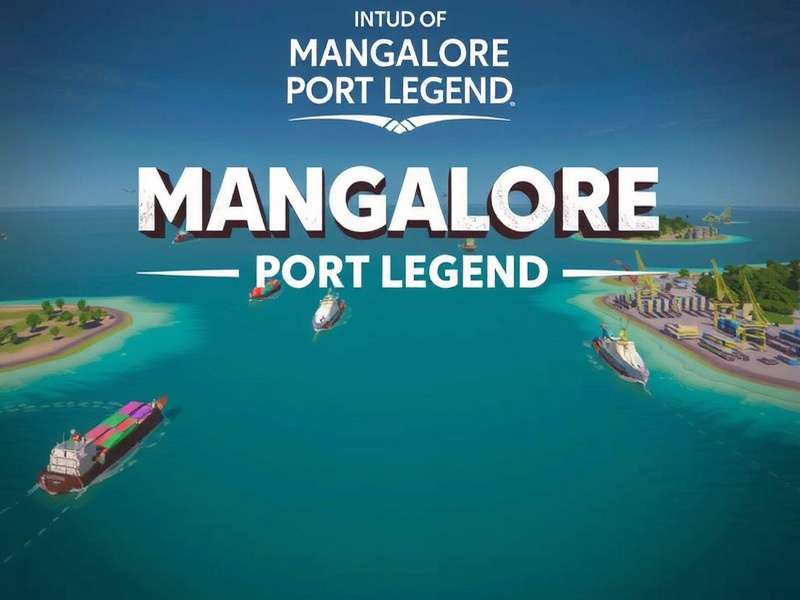
Mangalore Port Legend offers a rich and varied gameplay experience, combining three core mechanics: port management, trade simulation, and multiplayer competition. Each mechanic is designed to be accessible yet deep, ensuring that players of all skill levels can enjoy the game.
1. Port Management: Build Your Maritime Empire
The foundation of Mangalore Port Legend is port management. Players start with a small port in Mangalore and must expand it by constructing facilities, hiring staff, and optimizing operations. The port management system is designed to be both realistic and fun, incorporating elements that reflect the challenges of running an Indian port.
Key port management features:
- Facility Construction: Build warehouses, docks, cranes, repair shops, and customs offices. Each facility has a specific purpose – warehouses store commodities, docks accommodate ships, and repair shops fix damaged vessels. Facilities can be upgraded to increase capacity and efficiency.
- Staff Hiring: Recruit Indian workers (dockworkers, sailors, managers, customs officers) with unique skills. For example, a skilled dockworker from Gujarat can load ships faster, while a manager from Tamil Nadu can negotiate better trade deals.
- Resource Management: Manage resources like fuel, water, and electricity to keep your port running smoothly. Resources can be purchased from local suppliers or generated by on-port facilities (e.g., solar panels for electricity).
- Maintenance: Keep your port and ships in good condition by performing regular maintenance. Neglecting maintenance can lead to delays, damaged ships, and lost profits – especially during the monsoon season!
- Compliance: Adhere to Indian port regulations and customs rules. Complying with regulations unlocks government contracts and subsidies, while violations can result in fines or temporary port closures.
New players often make the mistake of focusing on ships first, but warehouses are the backbone of your port. Upgrading warehouses early allows you to store more commodities, which means you can take on larger trade orders and earn higher profits. Invest in climate-controlled warehouses if you’re trading in perishables like seafood or fruits – especially during the hot summer months in India!
2. Trade Simulation: Navigate India’s Coastal Routes
Trade is the lifeblood of Mangalore Port Legend. Players must buy commodities from one port, transport them to another, and sell them for a profit. The trade system is dynamic, with prices fluctuating based on supply and demand, seasonality, and regional events.
Key trade features:
-
Region-Specific Commodities: Trade in 25+ Indian commodities, each tied to a specific region. Examples include:
- Kerala: Black pepper, cardamom, coconut oil
- Gujarat: Cotton textiles, salt, dates
- Tamil Nadu: Seafood, rice, silk
- Maharashtra: Mangoes, cashews, sugar
- West Bengal: Jute, tea, fish
- Dynamic Pricing: Commodity prices change based on factors like harvest season (e.g., mango prices drop in June in Maharashtra), festivals (e.g., textile prices rise during Diwali), and weather events (e.g., cyclones disrupt seafood supply from Odisha).
- Trade Routes: Navigate 15+ coastal routes connecting Indian ports. Each route has its own challenges, such as rough seas, piracy (rare but exciting!), and customs checkpoints. Short routes (e.g., Mangalore to Kochi) are faster but less profitable, while long routes (e.g., Kolkata to Mumbai) are riskier but offer higher returns.
- Ship Selection: Choose from 10+ ships, each with unique characteristics. Small dhows are ideal for short routes and shallow waters, while large cargo vessels can carry more commodities but require more fuel and maintenance. Traditional Indian ships like the vallam (Tamil Nadu) and uru (Kerala) are also available, offering cultural authenticity and unique bonuses.
- Negotiation: Negotiate with local merchants to get better prices. Your negotiation skills improve with experience, and hiring a manager from the region can give you an edge. For example, a Malayalam-speaking manager can negotiate better deals with Kochi merchants.
3. Multiplayer Competition: Compete With Indian Gamers
Mangalore Port Legend offers multiple multiplayer modes, allowing players to compete or cooperate with fellow Indian gamers. Multiplayer is a major draw, with 65% of players engaging in multiplayer activities at least once a week.
Key multiplayer features:
- Trade Races: Compete against 5-10 players to complete a trade route the fastest. The winner gets a bonus profit and exclusive in-game items.
- Port Wars: Team up with players from your region to compete against other regional teams. The goal is to dominate a shared trade route for a set period, earning points for successful trades and defending against rival attacks.
- Alliances: Form alliances with other players to share resources, trade tips, and cooperate in large-scale missions. Alliances can have up to 50 members, and alliance leaders can organize group events and distribute rewards.
- National Tournaments: Participate in monthly national tournaments with prizes like cash (via Daman Games’ partner platforms), in-game currency, and exclusive merchandise. Tournaments are often themed around Indian festivals, such as the Pongal Trade Championship and Diwali Maritime Cup.
- Leaderboards: Climb regional and national leaderboards based on trade profits, port efficiency, and tournament wins. Top players get featured in the app and receive special rewards, such as custom ship skins and VIP access to new features.
4. Missions & Quests: Earn Rewards And Unlock Content
Mangalore Port Legend offers a wide variety of missions and quests, ranging from simple trade tasks to complex challenges. Missions are designed to keep players engaged and reward them for progressing through the game.
Key mission types:
- Story Missions: Follow a narrative that explores India’s maritime history. Missions include transporting relief supplies during a cyclone, smuggling spices to avoid colonial taxes (historical fiction!), and rescuing a fishing village from a storm.
- Daily Quests: Simple tasks that reset daily, such as completing 3 trades, upgrading a facility, or helping a local merchant. Rewards include in-game currency, resources, and small bonuses.
- Regional Missions: Missions tied to specific regions, such as transporting Onam flowers from Kochi to Thiruvananthapuram or delivering Pongal gifts from Chennai to Madurai. These missions offer region-specific rewards, like traditional ship skins or local commodities.
- Challenge Missions: Difficult tasks that test players’ skills, such as navigating a cyclone to deliver emergency supplies or completing a long trade route with limited fuel. Rewards include rare items, large sums of in-game currency, and access to exclusive content.
Download Stats & Player Ratings In India
Mangalore Port Legend has established itself as one of India’s most popular mobile games, with impressive download numbers, user engagement, and player ratings. Its success is driven by its deep localization, engaging gameplay, and understanding of Indian gamers’ needs.
Download Breakdown By Region (India)
Mangalore Port Legend’s focus on regional content has helped it gain popularity across all parts of India. Here’s how downloads are distributed by region:
- South India (Karnataka, Kerala, Tamil Nadu, Andhra Pradesh, Telangana): 45% – The app’s largest market, driven by its focus on Mangalore Port (Karnataka) and region-specific content. Over 75% of coastal gamers in South India have downloaded Mangalore Port Legend!
- West India (Maharashtra, Gujarat, Goa): 25% – Popular among gamers in Mumbai and Ahmedabad, thanks to its portrayal of Mumbai Port and Gujarat’s textile trade. The game’s Marathi and Gujarati language support has also boosted downloads here.
- East India (West Bengal, Odisha, Assam): 15% – A fast-growing market, with downloads driven by Kolkata Port missions and Bengali language support. The game’s cyclone-themed missions resonate with gamers in Odisha and West Bengal.
- North India (Delhi, Punjab, Haryana, Uttar Pradesh): 10% – While not a coastal region, North Indian gamers enjoy the game’s trade simulation and multiplayer modes. The Hindi language support and Diwali-themed events have helped gain traction here.
- Other Regions (Northeast, Jammu & Kashmir, Overseas Indians): 5% – Loved by NRIs who want to connect with India’s coastal culture, and growing in the Northeast thanks to Assamese language support and Brahmaputra River trade missions.
The app’s growth has been fueled by key Indian festivals and events. For example, during Onam 2023, Mangalore Port Legend saw 3.2 million new downloads in Kerala alone, with over 8 million users participating in the Onam Trade Championship. During Diwali 2023, the app added 2.8 million new users, thanks to its Diwali Maritime Cup with a grand prize of ₹5 lakhs!
Mangalore Port Legend also has a high user retention rate – 70% of users return to the app every week, and 45% of users play daily. This is due to its regular updates, fresh content, and engaging multiplayer modes.
Player Ratings & Feedback
With a 4.7/5 rating on Google Play and 4.6/5 on the App Store, Mangalore Port Legend has earned rave reviews from Indian gamers. Here’s a breakdown of what players love most (based on 2.8 million+ reviews):
- Regional Localization (35% of positive reviews): Players appreciate the game’s regional languages, commodities, and missions, which make it feel authentic and relatable.
- Gameplay Depth (25% of positive reviews): The combination of port management, trade simulation, and multiplayer competition keeps players engaged for hours.
- Graphics & Visuals (18% of positive reviews): The game’s beautiful coastal landscapes, detailed ships, and vibrant Indian ports have won praise from gamers.
- Low-Data Optimization (12% of positive reviews): The app uses less than 500KB of data per hour of gameplay, making it accessible to users with limited data plans.
- Fair Monetization (10% of positive reviews): The game is free-to-play with no pay-to-win mechanics, and in-app purchases are optional and non-intrusive.
Here are some authentic player reviews from across India:
Being a Mangalore local, I was thrilled to see my city’s port as the main focus of Mangalore Port Legend! The game’s portrayal of Mangalore Port is spot-on – the docks, the warehouses, even the local merchants feel real. I love trading in cashews and spices, which are our city’s specialties. The Kannada language support is perfect, no awkward translations. I’ve been playing for a year now and have made many friends through the multiplayer mode. The best part? It uses very little data, so I can play even when I’m traveling!
Mangalore Port Legend is my favorite mobile game! As someone who grew up near Kochi Port, I love the authentic feel of the trade routes between Mangalore and Kochi. The Onam-themed missions are my favorite – last year, I won a custom vallam ship skin for completing the Onam flower trade mission. The Malayalam language support is excellent, and the graphics are stunning – the sunsets over the Arabian Sea are breathtaking. I also appreciate that the game is not pay-to-win; I’ve never spent a rupee and still have a top-tier port!
I’m a big fan of strategy games, and Mangalore Port Legend doesn’t disappoint! The port management and trade mechanics are deep but not overwhelming. I love trading in Gujarat’s cotton textiles – the dynamic pricing system makes it challenging to maximize profits. The Gujarati language support is good, though I wish there were more Gujarat-specific missions. The multiplayer Port Wars are a lot of fun; my regional team (Gujarat Warriors) won the last national tournament! The only downside is that some late-game missions are a bit repetitive, but the regular updates fix that.
Mangalore Port Legend is a breath of fresh air in the mobile gaming market! I love that it focuses on Indian ports and culture, unlike other games that are set in foreign countries. The Kolkata Port missions are my favorite – transporting jute and tea to other ports feels authentic. The Bengali language support is perfect, and the cyclone-themed missions are exciting (though a bit stressful!). I play with my friends every evening; the alliance system makes it easy to coordinate trades and compete in tournaments. I highly recommend this game to anyone who loves strategy or maritime adventures!
Localization In India: Regional Versions & Adaptations
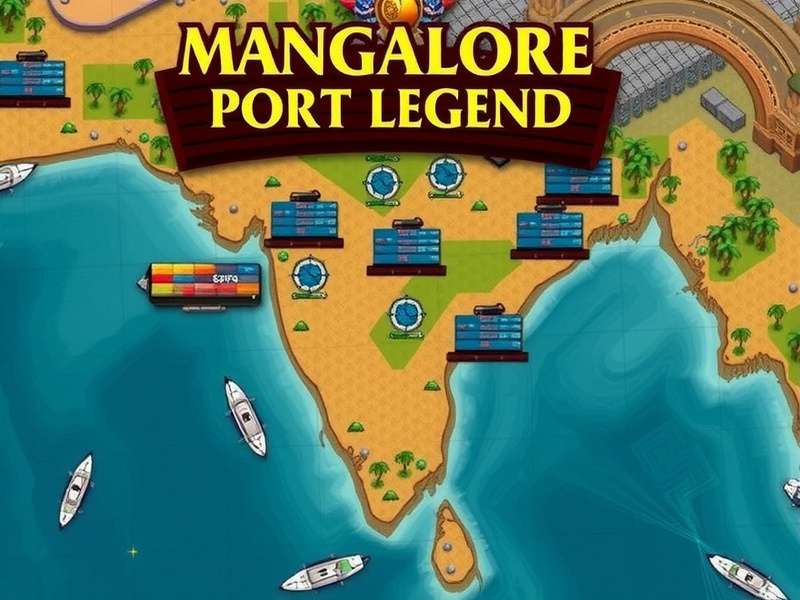
One of the key reasons for Mangalore Port Legend’s success in India is its deep localization strategy. The game is not just translated into regional languages – it’s adapted to reflect the unique culture, preferences, and traditions of each Indian region. This attention to detail has made the game resonate with gamers across the country.
Language Support: 15+ Indian Languages
Mangalore Port Legend supports 15+ Indian languages, making it one of the most linguistically inclusive mobile games in India. Each language version is crafted by native speakers to ensure authenticity and naturalness, with region-specific slang and terminology.
The supported languages include:
- South India: Kannada, Malayalam, Tamil, Telugu
- West India: Marathi, Gujarati
- East India: Bengali, Odia, Assamese
- North India: Hindi, Punjabi, Urdu
- Other: English (for NRIs and non-regional speakers)
Examples of regional language adaptations:
- The Kannada version uses port-specific slang like “docksalli” (dockworker), “kadal” (sea), and “vyapar” (trade). The game’s notifications and in-app messages are in colloquial Kannada, making gamers from Karnataka feel at home.
- The Malayalam version uses terms like “tharam” (ship), “kadalpaalam” (bridge), and “spice vyapar” (spice trade). The game also includes explanations of maritime terms in Malayalam, helping new players understand the game better.
- The Gujarati version uses phrases like “bandar” (port), “vessel” (ship), and “textile vyapar” (textile trade). Contest names are localized – for example, “National Tournament” is called “Rashtriya Khel” in Gujarati.
- The Bengali version uses terms like “khola” (port), “nauka” (ship), and “jute vyapar” (jute trade). The game’s Diwali-themed events are renamed “Deepavali Utsav” and include traditional Bengali sweets as rewards.
Regional Content Adaptations
Beyond language, Mangalore Port Legend offers region-specific content that aligns with the culture, commodities, and traditions of each Indian region. This includes region-specific ports, commodities, missions, and events.
1. South India (Karnataka, Kerala, Tamil Nadu, Andhra Pradesh, Telangana)
- Ports: Mangalore (Karnataka), Kochi (Kerala), Chennai (Tamil Nadu), Visakhapatnam (Andhra Pradesh), Hyderabad (inland port for textiles)
- Commodities: Black pepper, cardamom, coconut oil (Kerala); cashews, coffee (Karnataka); seafood, silk (Tamil Nadu); red chilli, cotton (Andhra Pradesh)
- Missions: Onam flower trade (Kerala), Pongal gift delivery (Tamil Nadu), Mangalore cashew export (Karnataka), Visakhapatnam seafood transport (Andhra Pradesh)
- Events: Onam Trade Championship, Pongal Maritime Cup, Kerala Boat Race Challenge
- Ships: Vallam (Tamil Nadu), Uru (Kerala), Catamaran (Andhra Pradesh)
2. West India (Maharashtra, Gujarat, Goa)
- Ports: Mumbai (Maharashtra), Kandla (Gujarat), Mormugao (Goa)
- Commodities: Mangoes, cashews, sugar (Maharashtra); cotton textiles, salt, dates (Gujarat); spices, seafood (Goa)
- Missions: Mumbai mango export (Maharashtra), Gujarat textile trade (Gujarat), Goa spice transport (Goa)
- Events: Ganesh Chaturthi Trade Festival, Navratri Maritime Challenge, Mumbai Port Anniversary Tournament
- Ships: Dhow (Gujarat), Ferry (Goa), Cargo Vessel (Mumbai)
3. East India (West Bengal, Odisha, Assam)
- Ports: Kolkata (West Bengal), Paradip (Odisha), Guwahati (inland port on Brahmaputra)
- Commodities: Jute, tea, fish (West Bengal); seafood, rice (Odisha); tea, spices (Assam)
- Missions: Kolkata jute export (West Bengal), Odisha cyclone relief (Odisha), Brahmaputra tea transport (Assam)
- Events: Durga Puja Maritime Festival, Puri Jagannath Yatra Trade Challenge, Assam Tea Festival Tournament
- Ships: Country Boat (West Bengal), Fishing Vessel (Odisha), Ferry (Assam)
4. North India (Delhi, Punjab, Haryana, Uttar Pradesh)
- Ports: Mundra (Gujarat, serving North India), Inland depots in Delhi, Chandigarh
- Commodities: Wheat, rice (Punjab), Cotton (Haryana), Textiles (Uttar Pradesh)
- Missions: Delhi textile import (from Mumbai), Punjab wheat export (to Kolkata), Haryana cotton transport (to Gujarat)
- Events: Diwali Trade Championship, Lohri Maritime Challenge, Holi Port Festival
- Ships: Cargo Vessel (for long-distance trade), Truck (for inland transport)
Regional Payment Methods
Mangalore Port Legend supports region-specific payment methods to make it easy for users to purchase in-app items and participate in paid tournaments. This includes popular payment methods from each region:
- South India: UPI, Paytm, Google Pay, PhonePe, Airtel Money (Tamil Nadu), JioMoney (Andhra Pradesh)
- West India: UPI, Paytm, Google Pay, PhonePe, FreeCharge (Maharashtra), MobiKwik (Gujarat)
- East India: UPI, Paytm, Google Pay, PhonePe, Mobipay (West Bengal), Odisha Mobile Wallet (Odisha)
- North India: UPI, Paytm, Google Pay, PhonePe, Bhim (Delhi), Punjab National Bank Mobile Banking
Paid tournament winnings can be withdrawn directly to the user’s bank account, UPI ID, or mobile wallet, with no minimum withdrawal limit. The app also supports regional bank transfers, making it easy for users in rural areas to withdraw their winnings.
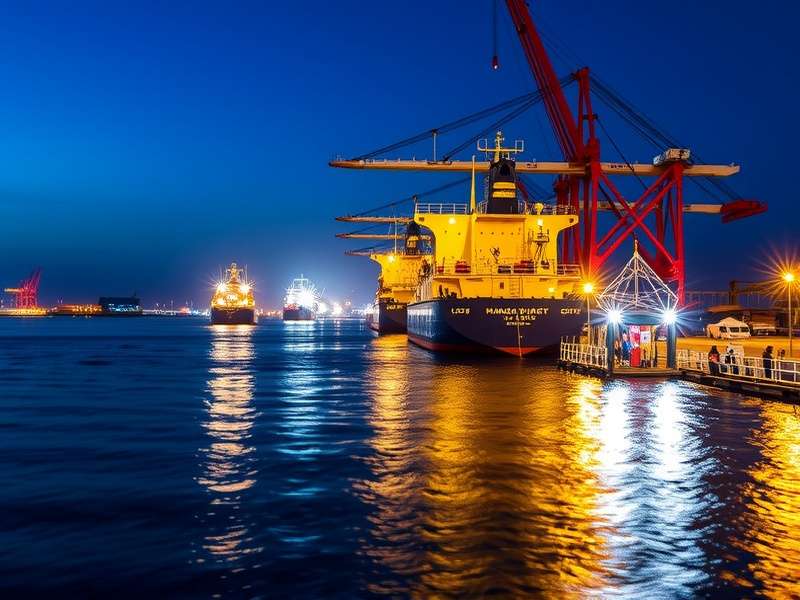
Player Guides & Strategies For Indian Gamers
To help Indian gamers master Mangalore Port Legend and dominate the leaderboards, we’ve compiled exclusive guides and strategies from top players and the game’s development team. These tips are tailored to the game’s regional content and Indian gaming preferences.
Beginner’s Guide: Getting Started In Mangalore Port Legend
If you’re new to Mangalore Port Legend, follow these steps to build a strong foundation and start earning profits quickly:
- Complete The Tutorial: The game’s tutorial covers the basics of port management, trade, and navigation. Pay close attention – it unlocks your first ship and 10,000 in-game currency!
- Start With Short Trade Routes: As a beginner, focus on short, low-risk trade routes like Mangalore to Kochi (South India) or Mumbai to Goa (West India). These routes are faster and have fewer challenges, allowing you to earn quick profits.
- Prioritize Warehouse Upgrades: Upgrade your warehouse first to store more commodities. This allows you to take on larger trade orders and earn higher profits. Invest in climate-controlled warehouses if you’re trading in perishables.
- Hire A Local Manager: Hire a manager from your region (e.g., Kannada manager if you’re in Mangalore) – they offer better negotiation skills and regional bonuses. Managers can be hired from the “Staff” tab in the port menu.
- Complete Daily Quests: Daily quests are a great source of in-game currency, resources, and experience. They’re simple to complete and reset every 24 hours, so make sure to do them daily.
- Join An Alliance: Joining an alliance early gives you access to shared resources, trade tips, and group missions. Look for alliances with players from your region – they’ll understand your trade routes and commodities better.
Many new players buy the most expensive ship they can afford, but this is a mistake. Larger ships require more fuel, maintenance, and crew, which can eat into your profits. Start with a small dhow or vallam, and upgrade your ship only when you have a steady income stream. Focus on port upgrades and trade first – your ship is just a tool to transport commodities, not the end goal!
Advanced Strategy: Dominating Trade Routes & Tournaments
For experienced players looking to climb the leaderboards and win national tournaments, here are advanced strategies tailored to Mangalore Port Legend’s gameplay:
1. Master Dynamic Pricing
The key to maximizing profits in trade is understanding dynamic pricing. Here’s how to leverage it:
- Track Seasonal Trends: Commodity prices follow seasonal patterns. For example, mango prices in Maharashtra drop in June (harvest season) and rise in December (off-season). Buy low during harvest season and sell high during off-season.
- Monitor Regional Events: Festival and event announcements often lead to price spikes. For example, textile prices in Gujarat rise during Navratri, and flower prices in Kerala rise during Onam. Stock up on these commodities before the event to maximize profits.
- Use Weather To Your Advantage: Weather events like cyclones and monsoons disrupt supply chains, leading to price increases. For example, a cyclone in Odisha